
Shoe & sneaker brand identifier
What Shoe Is This?
Upload a shoe photo or describe its details. Compare possible brands using label text, panel seams, heel shape, and outsole clues, then check what separates similar models.
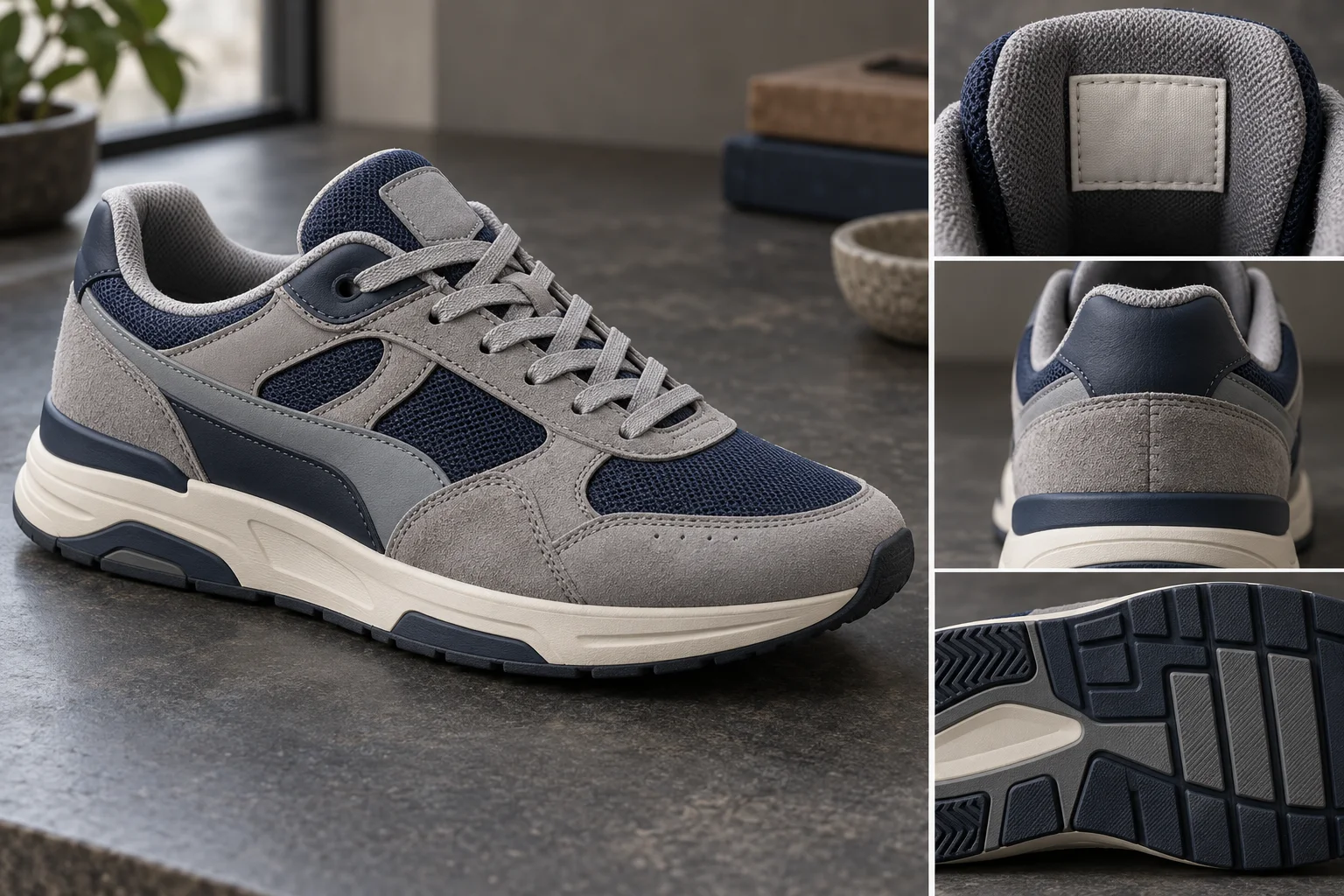
Your possible shoe brands will appear here.
Begin with the side profile, a readable label, or distinctive construction details. A brand can be plausible while the exact model or version remains unresolved.
Start with the clue you have
A shoe needs footwear evidence. For a standalone mark or a different item, use the matching identifier.
What brand is this shoe? Find clues beyond the side logo
Many shoes share a color scheme or outline. Record details that a proposed match must explain.
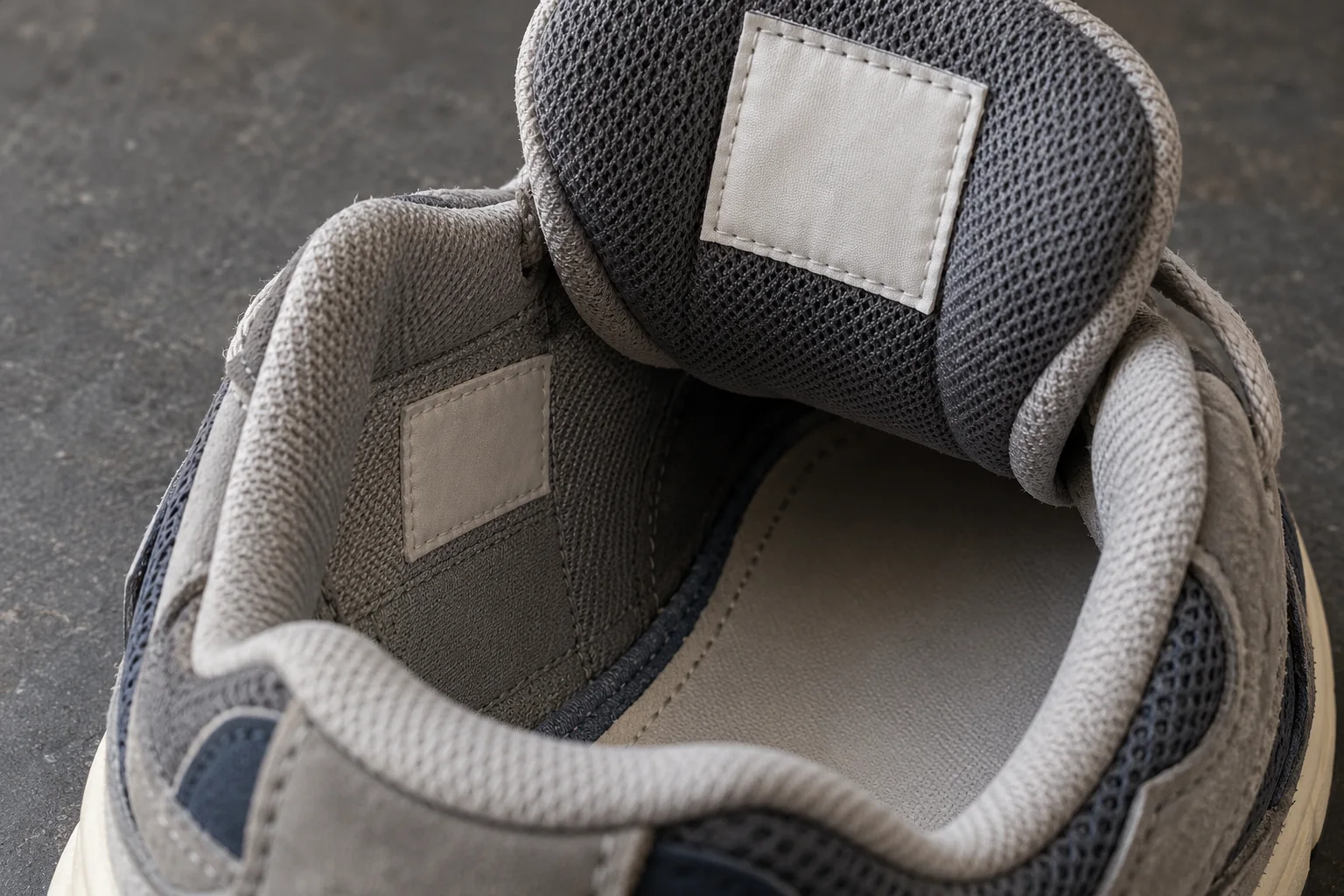
Tongue and lining labels
Look under the tongue or along the inside lining. Copy each line separately, including letters, hyphens, size columns, and uncertain characters. Do not silently complete a worn code from the brand you expect.
Panel and seam layout
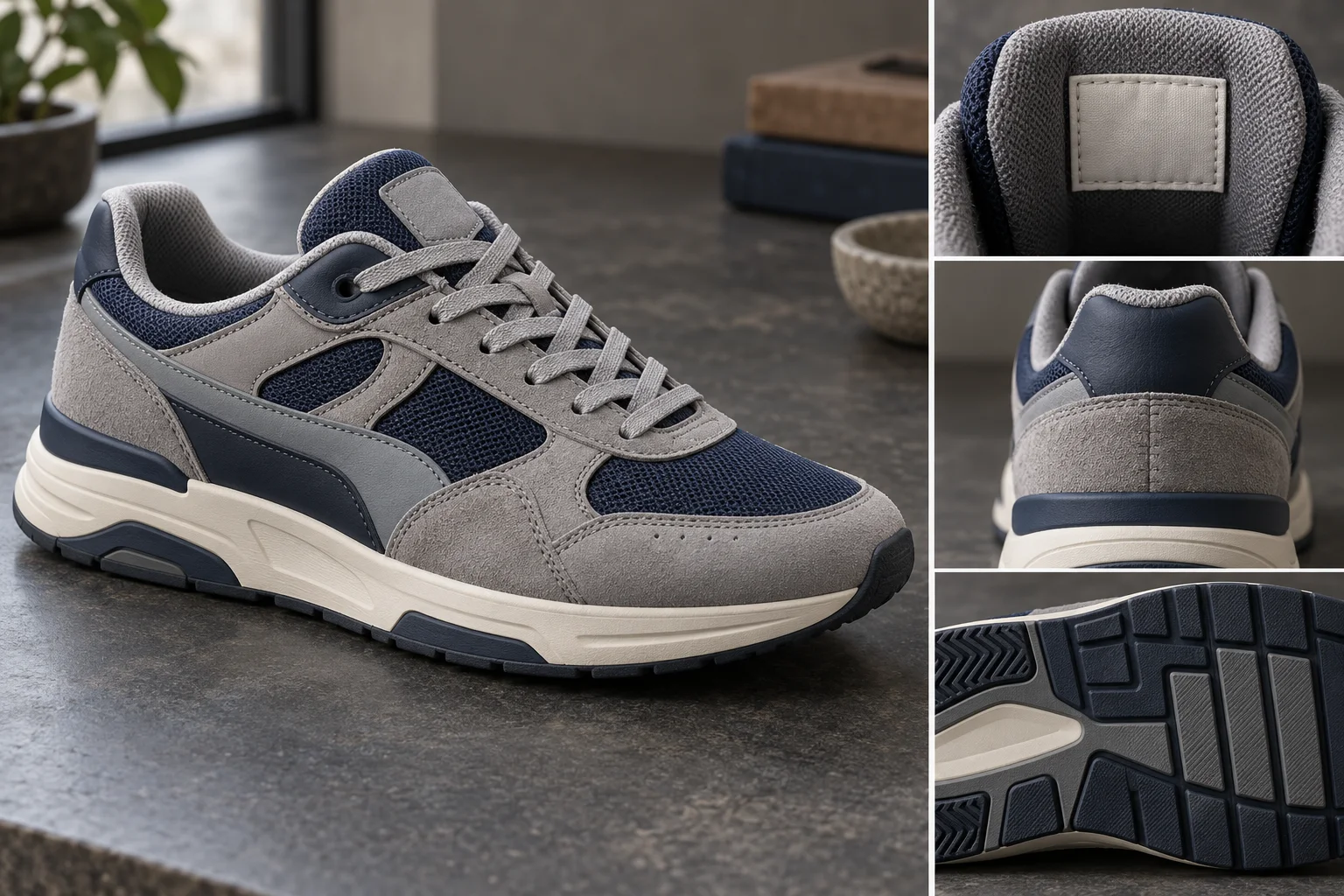
Follow where the toe overlay ends, how the lace panel meets the midfoot, and where heel seams join. These junctions give you a repeatable comparison even when a logo is hidden.
Heel and collar shape
Check the rear seam, heel tab, collar opening, and any molded support around the heel. A side view can hide differences that become obvious when two shoes are viewed from behind.
Outsole pattern
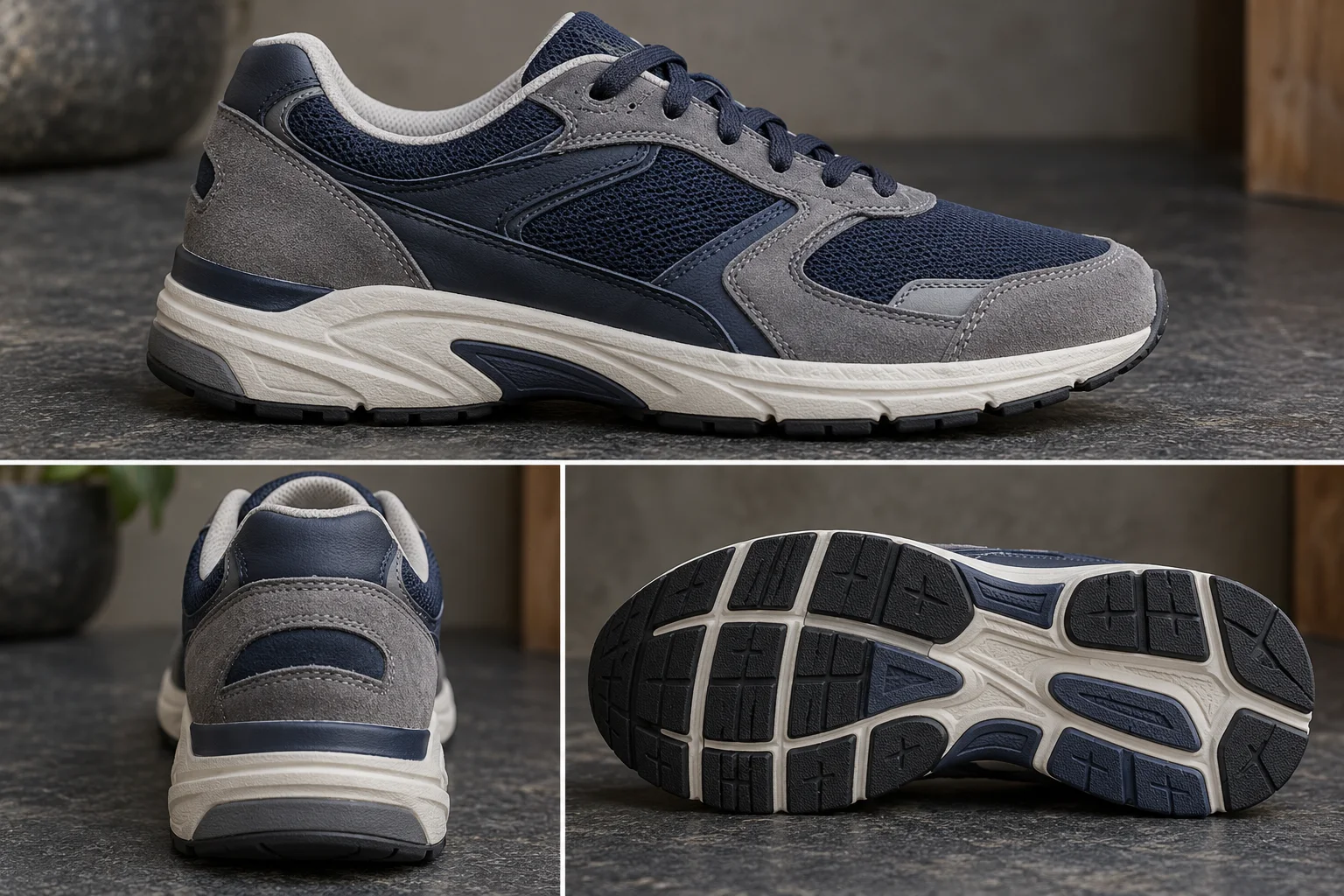
Photograph the underside flat on. Note rubber sections, channels, pivot circles, and the arch area. Shared outsole tooling or a replacement sole can limit what this clue proves about the upper.
Midsole profile
Describe grooves, cutouts, raised sidewalls, and where the sole rises around the toe or heel. Apparent sole thickness changes with camera angle; compare corresponding views rather than guessing cushioning technology.
Lacing and upper construction
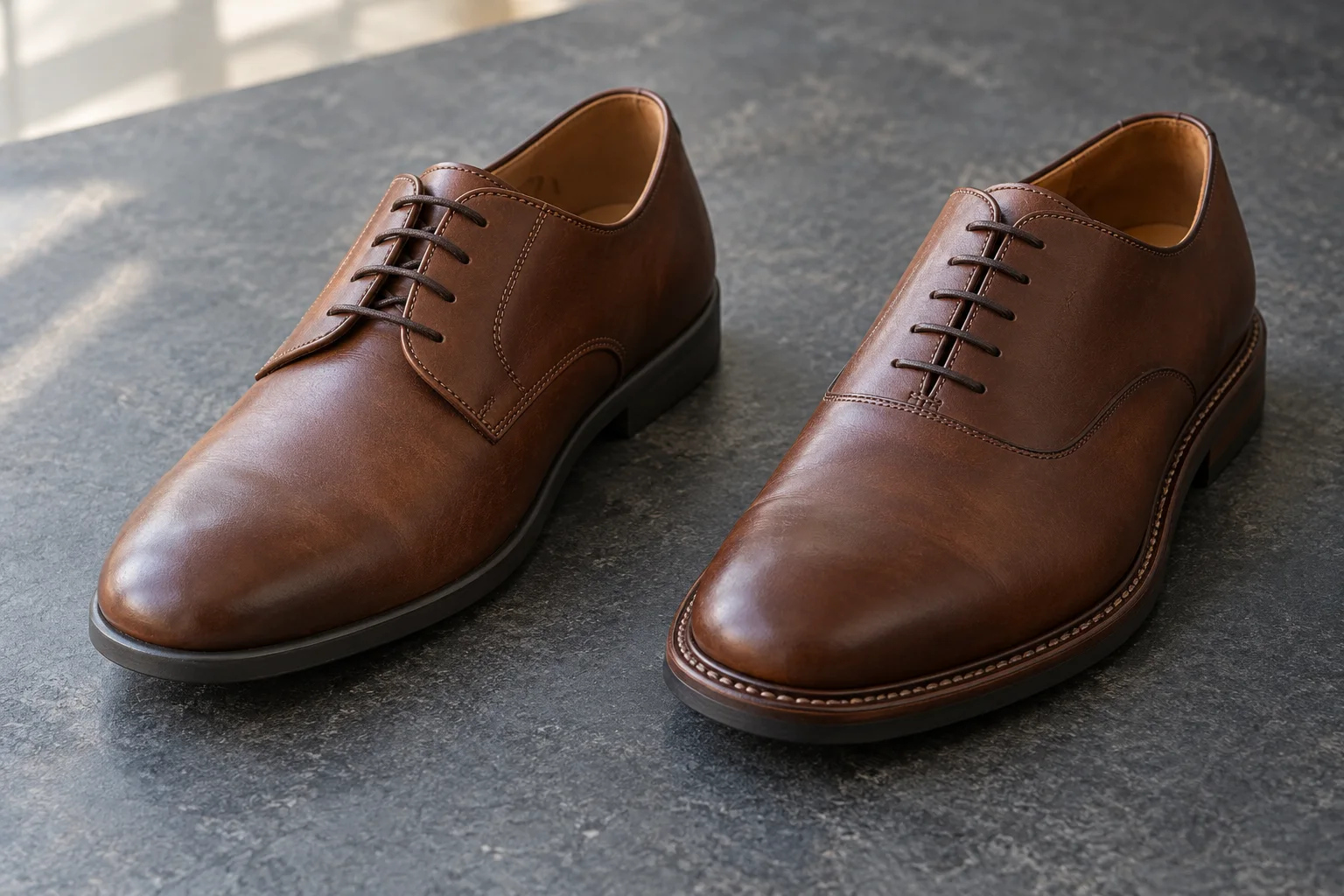
Count eyelet pairs and note loops, hooks, straps, or open versus closed lacing. On leather shoes, the quarters are the side and rear upper sections; how they meet the vamp can distinguish similar lace-up styles.
Separate the shoe brand, model, and version
A shoe identifier should narrow the search in stages. A recognizable brand does not establish the exact release, and a model family can include different versions, colorways, and adult or junior constructions.
Locate the identity clue
Use a full side view first, or upload a readable tongue label and describe the shape in notes. One image is accepted per search. Add the opposite side, outsole, or rear view in a follow-up when it answers a specific question.
Read a code in context
A style or article code can be useful once a maker is plausible. Size, width, production dates, and barcodes answer different questions. Keep the whole label and line breaks instead of treating every number as a model code.
Check independent construction
Compare panel junctions, lacing, heel shape, and sole geometry together. On a leather lace-up, open and closed lacing describe different ways the quarters meet the vamp; that narrows the style, but does not name the maker.
Resolve the variant last
Once the model family fits, check version, size category, and colorway against a documented product reference. Adult and junior versions may differ. If a label or hidden view is missing, leave the exact release unresolved.
Describe a shoe so a match can be challenged
These are invented observations, not verified model identifications. The next check is more useful than a confident guess from a familiar silhouette.
A mesh sneaker with a worn label
Gray mesh low-top with navy suede overlays, five eyelet pairs, split heel tab, and two separate rubber sections under the forefoot. Tongue label has an unclear code ending “27”.
"Keep the unclear characters unresolved. Compare the lace-panel junction and rear tab before searching a complete code. A two-digit fragment could belong to several label fields."
A secondhand boot with a sole badge
Brown ankle boot with metal speed hooks, a plain heel pull, and a contrasting rubber-sole badge. No readable brand on the upper; the insole appears newer than the lining.
"Check the lining stamp and ask about resoling. The sole badge may identify a supplier, and a replacement insole may belong to another brand. Neither should outweigh the fixed upper construction."
Two similar leather lace-ups
Black plain-toe lace-up with separate eyelet facings opening above the front upper, a narrow heel, and a stitched-looking strip around the sole edge. Interior print is worn away.
"Describe the open lacing and photograph the sole edge and inside quarter. Visible edge stitching alone does not prove a particular welt construction or manufacturer."
A shoe in a cropped screenshot
White low-top with a dark heel patch and a thick sole; only the outer side is visible. The toe and tongue are cropped, and the image may be mirrored.
"Use the panel layout and sole profile for a cautious shortlist. Seek the original frame or another view before interpreting lettering, handedness, or an exact colorway."
Avoid the shortcuts that produce the wrong shoe name
The strongest follow-up checks a difference between candidates. Another generic side photo may add little.
A sole mark may name a supplier
Outsole makers can supply several footwear brands. Vibram, for example, lists partnerships with multiple shoe makers. Compare the upper's own label and structure before using a sole logo as the answer.
Keep the full style string
Do not drop suffixes or version markers when searching a label. New Balance explains that its “v” marker indicates a model version, so a shared model-family number is not the whole identification. Other makers use different systems; there is no universal shoe-code decoder.
Check for changed components
Laces, insoles, and sometimes soles can be replaced. Ask which parts are original. A modern tread on an older upper may describe a repair rather than a different shoe model.
Match the same size category
Compare adult, junior, and infant product references separately. Similar names and colors do not guarantee identical panel counts, sole shapes, or closures across size categories.
Do not identify from wear alone
Flattened tread, creasing, and faded color can hide design details. Record what remains visible, then use a less-worn area or label. Wear patterns do not establish a brand or an exact original sole shape.
Separate identification from authentication
A copied logo or plausible style code can resemble a genuine product reference. This tool suggests identities to research; it does not authenticate a pair, establish resale value, or determine suitability for sport.
Shoe identifier FAQ
Practical answers for sneakers, leather shoes, worn labels, and incomplete photos.
Still have questions?
Upload a full side or three-quarter photo, or describe the shoe. Add readable label text and the most distinctive construction details. Compare the proposed brand first, then the model, version, and colorway. If candidates differ at the heel or outsole, make that your next view.
Sometimes. Panel seams, lace placement, heel construction, midsole grooves, and outsole sections can narrow a search together. A plain unlabelled shoe with common construction may not support a reliable brand name.
Inspect the underside of the tongue and the interior lining for a label or stamp. Placement and code systems vary. Copy the full label rather than selecting one number: a size, width, barcode, factory reference, or date may sit beside a style code.
Do not assume so. A style or article code can describe a product variant shared by many pairs. Its meaning depends on the maker. Finding a matching product page is a research lead, not proof that the individual pair is authentic.
It may identify the outsole supplier rather than the maker of the complete shoe. Vibram supplies soles to multiple footwear partners and also sells its own footwear. Check branding on the upper and lining, and ask whether the shoe has been resoled.
Only when the evidence supports it. Lighting, filters, fading, and similar releases can make color unreliable. Compare the complete style code, panel layout, and relevant version with a documented reference before assigning an exact colorway.
Yes. Choose the closest shoe type and describe the upper, closure, sole, heel, lining marks, and any readable code. The tool is not restricted to famous sneakers. Leave the brand-region hint blank when you do not know it.
Use one JPG, PNG, or WebP up to 5 MB per search. Begin with a clear side or three-quarter view, or a legible label. Keep glare low and the outline uncropped. Describe other views in notes, or submit a targeted follow-up photo.
Mention the replacement if known. Research the fixed upper and its labels separately from the replaced component. A sole or insole logo may not belong to the original shoe maker, and a repair can change the silhouette.
It cannot authenticate a pair. It is designed for photos or descriptions of the shoe itself. A partial footprint or worn tread alone is usually insufficient to establish the exact maker and model; use another view or readable label.